

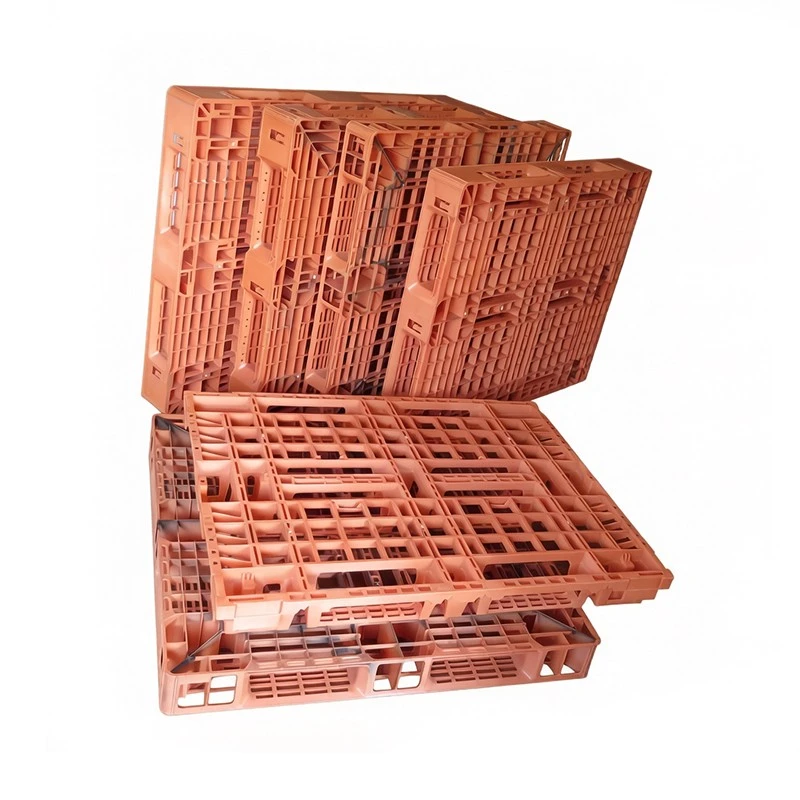
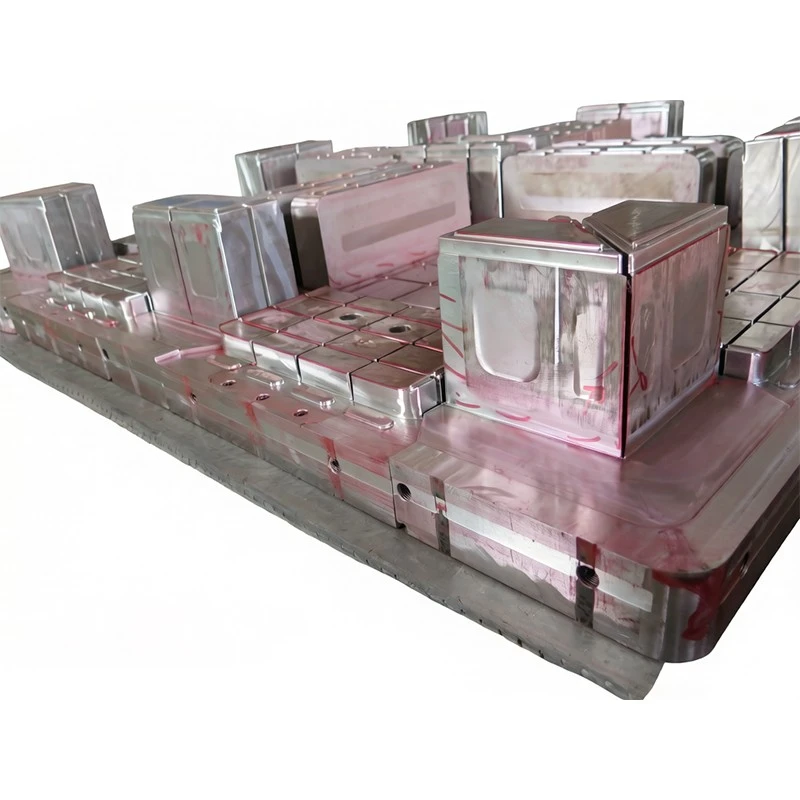
Safety is a top priority when it comes to using a welded pallet mold. As a supplier of Welded Pallet Mold, I've seen firsthand the importance of ensuring operator safety. In this blog, I'll share some key tips to keep your operators safe when using welded pallet molds.
1. Pre - operation Checks
Before firing up the welded pallet mold, a thorough pre - operation check is crucial. First, examine the mold itself. Look for any signs of wear and tear, such as cracks, dents, or loose parts. Even a small crack can lead to serious issues during operation, like the mold breaking apart and causing injury.
Check the electrical connections if the mold has any electrical components. Loose or frayed wires can be a major safety hazard, potentially causing electrical shocks or fires. Make sure all the switches are in good working condition and that the grounding is proper.
Inspect the hydraulic system if it's a hydraulically - operated mold. Look for leaks in the hoses and check the pressure gauges. Incorrect hydraulic pressure can lead to abnormal mold operation and put the operator at risk.
2. Operator Training
Proper training is the foundation of operator safety. All operators should receive comprehensive training on how to use the welded pallet mold. This training should cover everything from basic operation procedures to emergency response.
Teach operators how to load and unload the mold correctly. Improper handling during these processes can cause the mold to shift, fall, or damage the equipment. They should also know how to adjust the settings of the mold, such as temperature and pressure, according to the specific requirements of the pallet production.
Emergency response training is also essential. Operators should know how to shut down the machine quickly in case of an emergency, such as a fire, a jam, or a sudden malfunction. They should be trained on how to use fire extinguishers and first - aid equipment.
3. Personal Protective Equipment (PPE)
PPE is a must - have for operators using welded pallet molds. First and foremost, safety goggles should be worn at all times. During the welding and molding processes, there may be sparks, flying debris, or splashes of molten material. Safety goggles can protect the eyes from these hazards.
A good pair of heat - resistant gloves is also necessary. The mold can get extremely hot during operation, and touching it without proper protection can result in severe burns. Gloves should be made of high - quality heat - resistant materials and fit properly to ensure maximum protection.
Operators should wear safety shoes with steel toes. In case something heavy falls on their feet, the steel toes can prevent serious injuries. Additionally, ear protection may be required if the operation of the mold is noisy. Prolonged exposure to high - level noise can cause hearing loss.
4. Maintenance and Cleaning
Regular maintenance and cleaning are vital for the safe operation of the welded pallet mold. A well - maintained mold is less likely to malfunction and cause accidents.
Schedule regular maintenance checks. This includes lubricating moving parts, tightening bolts and nuts, and replacing worn - out components. A lubricated mold operates more smoothly, reducing the risk of jams and breakdowns.
Clean the mold regularly. Residues from the molding process can build up over time, affecting the quality of the pallets and potentially causing the mold to malfunction. Use appropriate cleaning agents and tools to remove the residues without damaging the mold.
5. Safety Guards and Interlocks
Install safety guards around the welded pallet mold. These guards can prevent operators from accidentally coming into contact with moving parts or hot surfaces. They should be made of strong materials and be securely attached to the machine.
Interlocks are also important safety features. An interlock system can prevent the mold from operating if certain safety conditions are not met. For example, if the safety guard is open, the interlock can stop the machine from running, preventing the operator from getting injured.
6. Workspace Organization
Keep the workspace around the welded pallet mold clean and organized. Cluttered workspaces can lead to tripping hazards and make it difficult for operators to access emergency controls.
Store tools and materials in designated areas. This not only makes the workspace safer but also improves efficiency. Make sure there is enough space for operators to move around the mold comfortably.
7. Risk Assessment
Conduct regular risk assessments of the welded pallet mold operation. Identify potential hazards and develop strategies to mitigate them. This could involve changing the operation procedures, upgrading the equipment, or providing additional training.
For example, if the risk assessment reveals that there is a high risk of electrical shock due to the age of the electrical components, consider replacing them with newer, safer ones.
8. Communication and Supervision
Good communication among operators is essential. They should be able to communicate any issues or concerns about the mold operation immediately. This can help prevent accidents from happening.
Supervision is also necessary. A supervisor should regularly check on the operators' work, ensure that safety procedures are being followed, and provide guidance when needed.
In conclusion, ensuring the safety of operators when using a welded pallet mold requires a combination of pre - operation checks, proper training, the use of PPE, regular maintenance, safety guards, workspace organization, risk assessment, and good communication. By following these tips, you can significantly reduce the risk of accidents and create a safer working environment.
If you're in the market for a high - quality Welded Pallet Mold, Double Face Pallet Mold, or Single Face Pallet Mold, we're here to help. We offer a wide range of pallet molds that are not only safe but also efficient and durable. Contact us for more information and to discuss your specific requirements. We look forward to working with you!
References
- Industry safety guidelines on industrial mold operation
- Manufacturing safety best practices manuals